Pu-erh Tea and Mushrooms: What Lies Behind the Unique Taste of the Tea?
Share
Pu-erh Tea and Fungi: What Lies Behind the Unique Taste of Tea?
Pu-erh tea is renowned for its rich, earthy flavour that only improves with age. Unlike most teas, it is fermented, and this process changes its flavour over many years. But what truly makes Pu-erh's flavour so unique? The answer lies in fungi! Microscopic fungi (yeasts and molds) break down the substances in tea leaves, thereby creating the distinctive aroma and taste of this tea. Without them, Pu-erh would not be what we know today.
What is Pu-erh Tea and How is it Made?
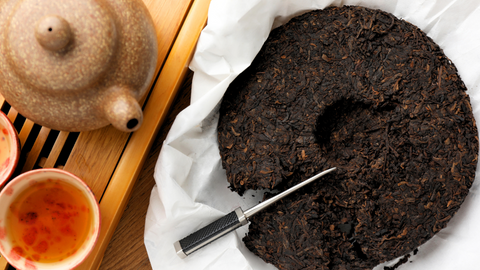
Pu-erh is a fermented tea from Yunnan province in China. It is divided into two types: raw (Sheng) and ripened (Shou). Raw Pu-erh is made from the same raw material as green tea. The collected leaves are sun-dried, then pressed into cakes and naturally fermented for 5-15 years. Ripened Pu-erh tea undergoes a faster fermentation process – tea leaves are piled, and moisture and warmth are maintained to allow microorganisms (fungi and bacteria) to do their work in just a few months. The fermented leaves are then also pressed and further aged. The longer it is aged, the more unique the tea's flavour and the more expensive it will be.

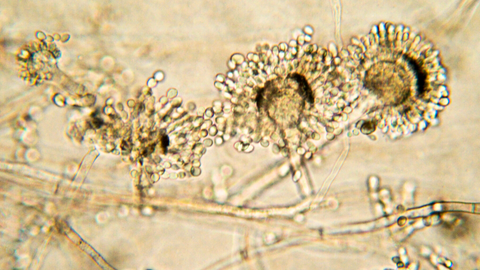
Aspergillus sp. mold
Grybai: nematomi arbatos kūrėjai
Pu-erh fermentacijos metu aktyviai veikia kelių rūšių grybai. Čia darbuojasi ne mums įprastai miške sutinkami grybai, bet mikroskopiniai grybai, panašūs į tuos, kurie naudojami fermentuojant sūrį ar gaminant sojų padažą. Vienas svarbiausių yra Blastobotrys – mieliagrybis, dominuojantis brandintoje Pu-erh ir padedantis sukurti jos švelnų, žemišką, šiek tiek salstelėjusį skonį. Žaliojoje Pu-erh daugiau yra Debaryomyces – kitas mikroskopinis grybas, kuris ilgainiui prisideda prie vaisinių ir gėlių natų atsiradimo. Aspergillus, gerai žinomas maisto fermentacijoje naudojamas pelėsis, taip pat randamas Pu-erh arbatose – jis skaido sudėtingus arbatoje esančius junginius, keisdamas jos skonį.
Pu-erh tea
How do fungi shape the taste of Pu-erh?
During fermentation, fungi not only break down substances in the tea but also create the distinct flavors and aromas characteristic of this tea. Earthy, woody, or even mushroomy (umami) notes emerge from the breakdown of tannins. Some fungal compounds impart subtle hints of caramel, while others are responsible for the light, slightly musky scent of aged Pu-erh. Over time, fungi alter polyphenols, reducing bitterness and making the tea smoother.
Fungi in other fermented teas
Pu-erh is not the only tea whose flavor depends on fungi. They also play an important role in other fermented teas. In Fuzhuan tea, the main fungus is Eurotium cristatum, which gives it a golden color and a mild sweet taste. Liupao tea is strongly influenced by Aspergillus – this gives it a deep, woody aroma. Fermentation with fungi is used not only in teas but also in products such as soy sauce, miso, wine, or long-aged cheeses.
The Future: Can specific fungi be cultivated for better tea?
Just as winemakers select specific yeasts, tea producers in the future could experiment with fungi to achieve certain Pu-erh flavors. Scientists are already investigating how different fungal species affect fermentation. Perhaps in the future, we will have unique Pu-erh teas created by specially selected fungi, or a microbial terroir of certain regions – fungal communities characteristic of different regions could give tea a distinctive taste.
Text based on a Nature article published on March 12, 2025: “Fungal community composition and function in different Chinese post-fermented teas”